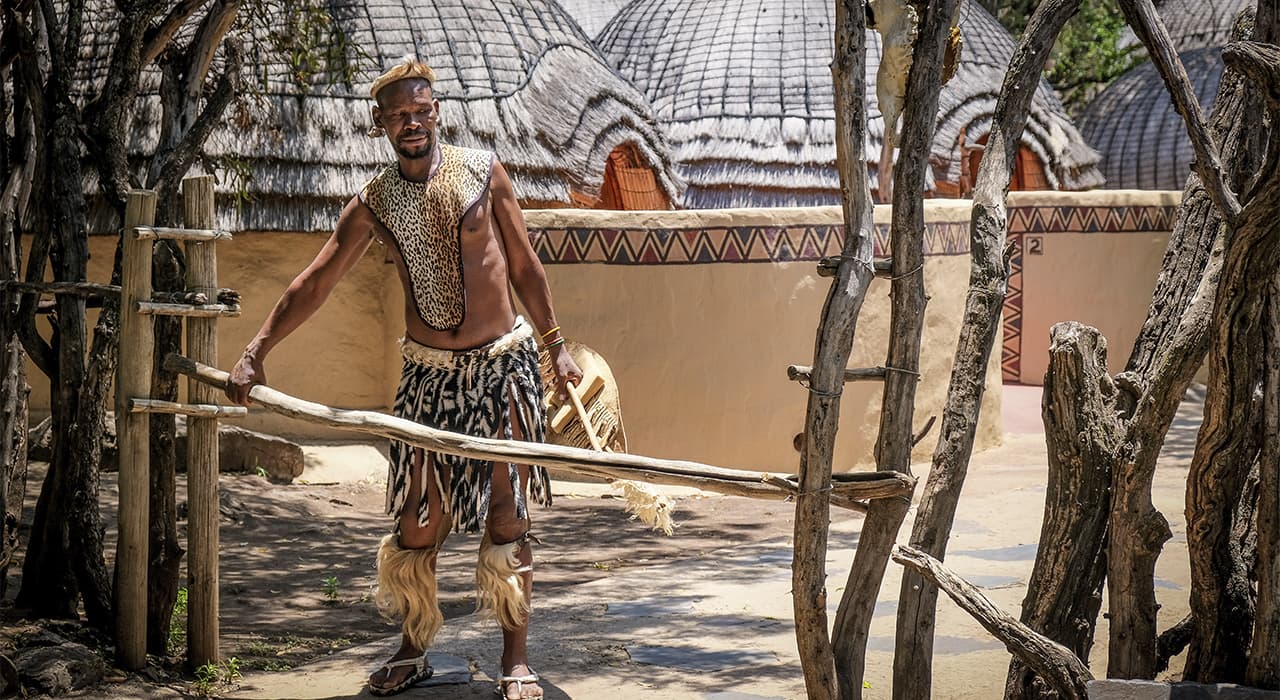
Was tun auf Reisen?
Wenn Sie kein Fan von Reisen sind, gibt es viele Dinge zu tun, wenn Sie reisen oder mit Familie und Freunden Ausflüge unternehmen. Sie können wählen, ob Sie singen, neue Sprachen lernen, Fotos machen usw. Es gibt jedoch keine bessere Alternative als Reisespiele, die jede Fahrt in ein lustiges, immersives und fesselndes Erlebnis…
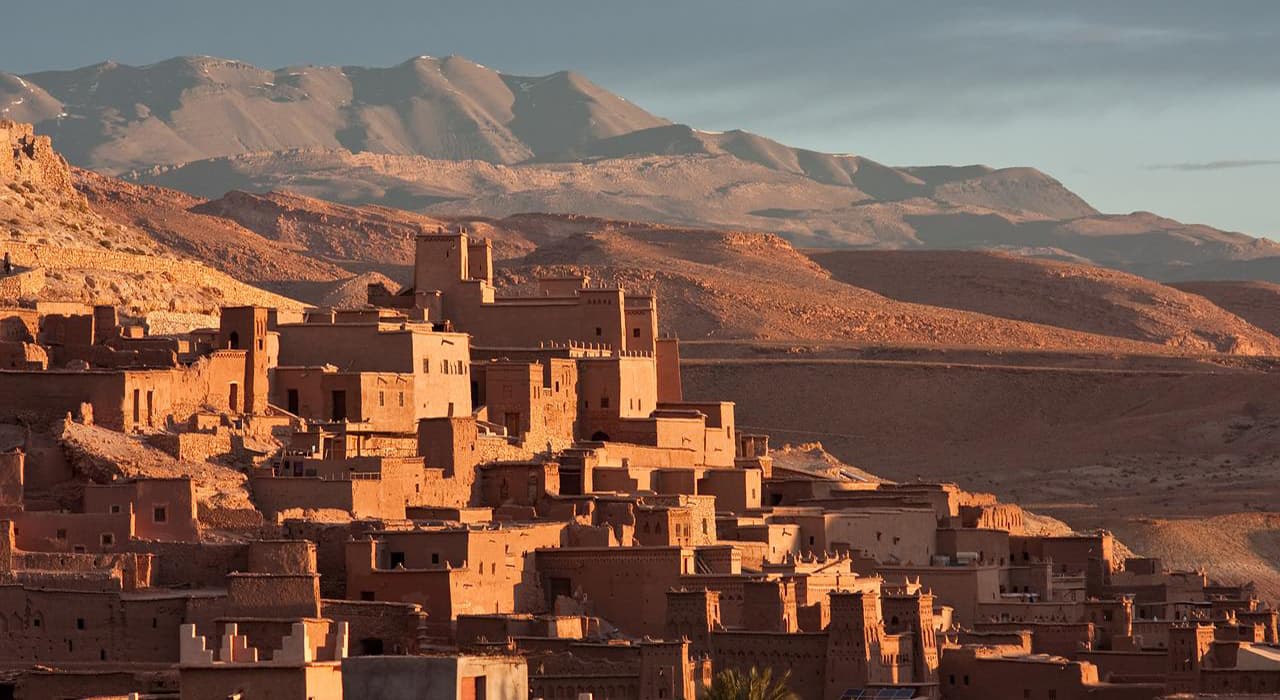
Interessante Fakten über die afrikanische Geschichte
Der nächste unserer Fakten über Afrika betrifft die Kultur, die den Tod und das Leben nach dem Tod umgibt.

Die Entstehung der menschlichen Kultur in Afrika vollzog sich in zwei Phasen
Die ältesten Massenfunde von Schmuck und anderen unverkennbaren Spuren wahrhaft menschlicher Geisteskultur stammen aus Südafrika
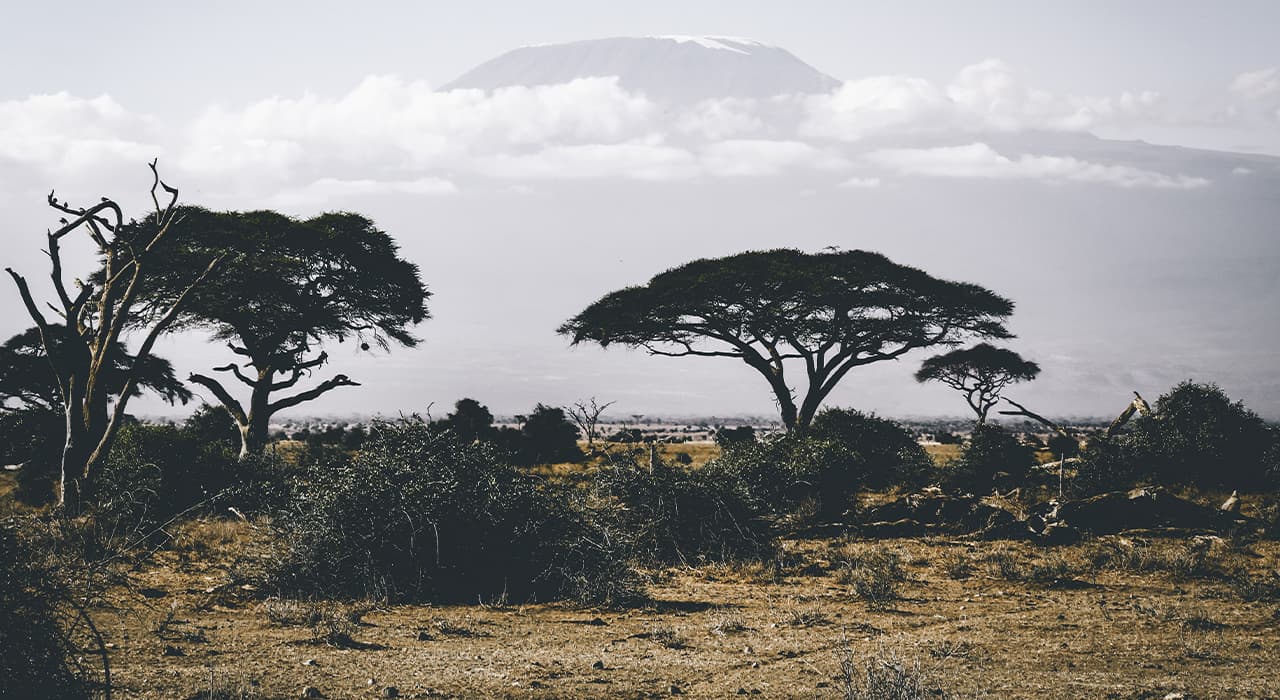
Geschichte des mittelalterlichen Afrika
An der Wende vom 4. zum 5. Jahrhundert stürzten barbarische Stämme die römische Herrschaft und gründeten mehrere Staaten in Nordafrika
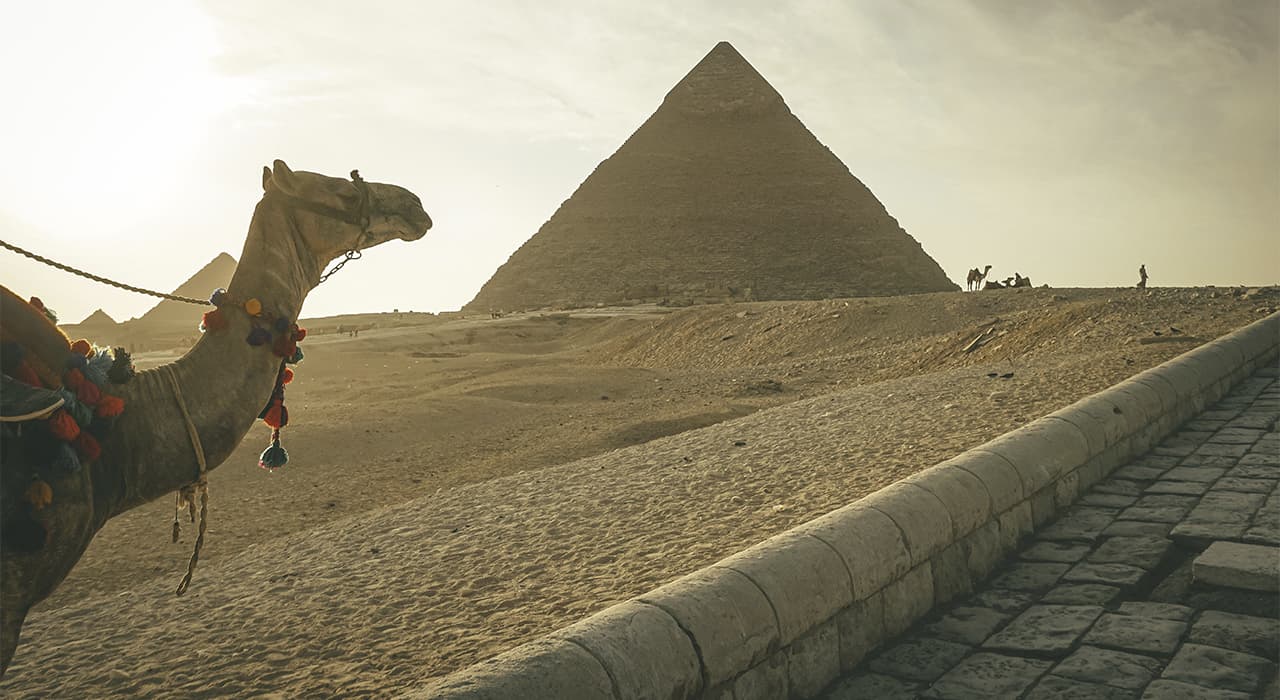
Afrikas alte Geschichte
Nach Ansicht der meisten Wissenschaftler ist Afrika die Wiege der Menschheit. Fossilien der frühesten Hominiden, die 1974 in Harare, Äthiopien, gefunden wurden
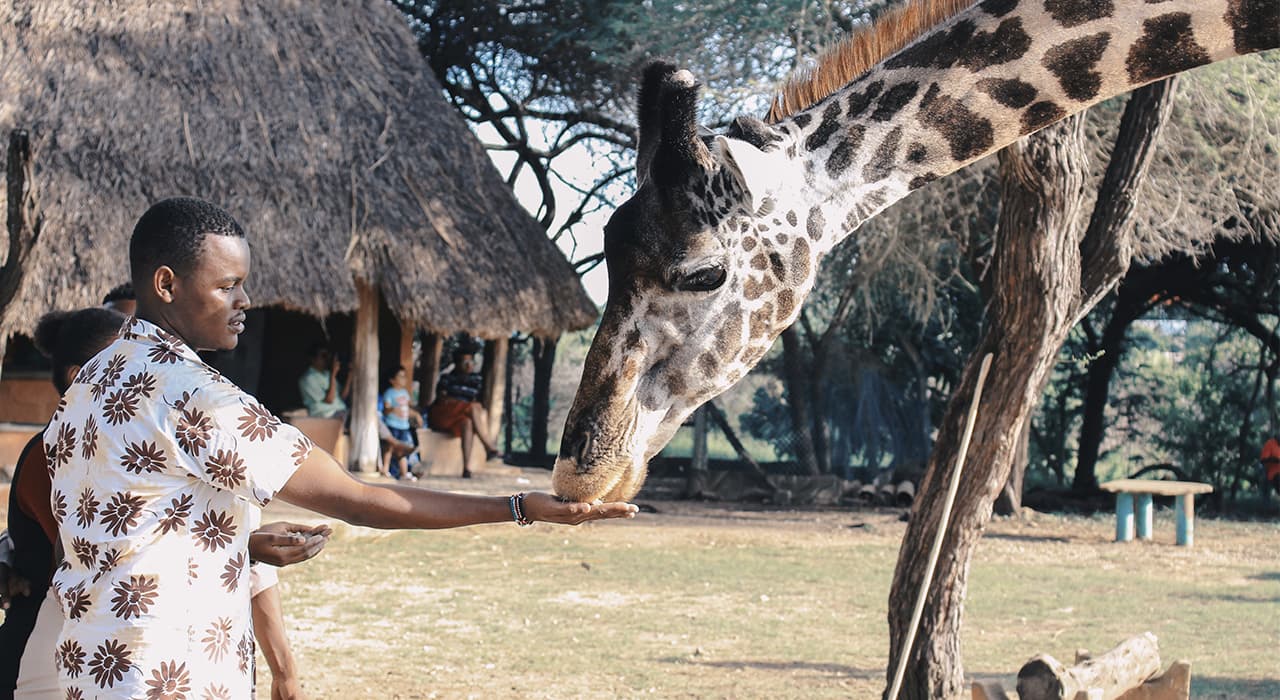
Weitere interessante Fakten über Afrika, die Sie vielleicht noch nicht wussten
Das erste unserer Fakten über Afrika betrifft die interessante Flora und Fauna des Landes. Das südliche Afrika ist bekannt dafür
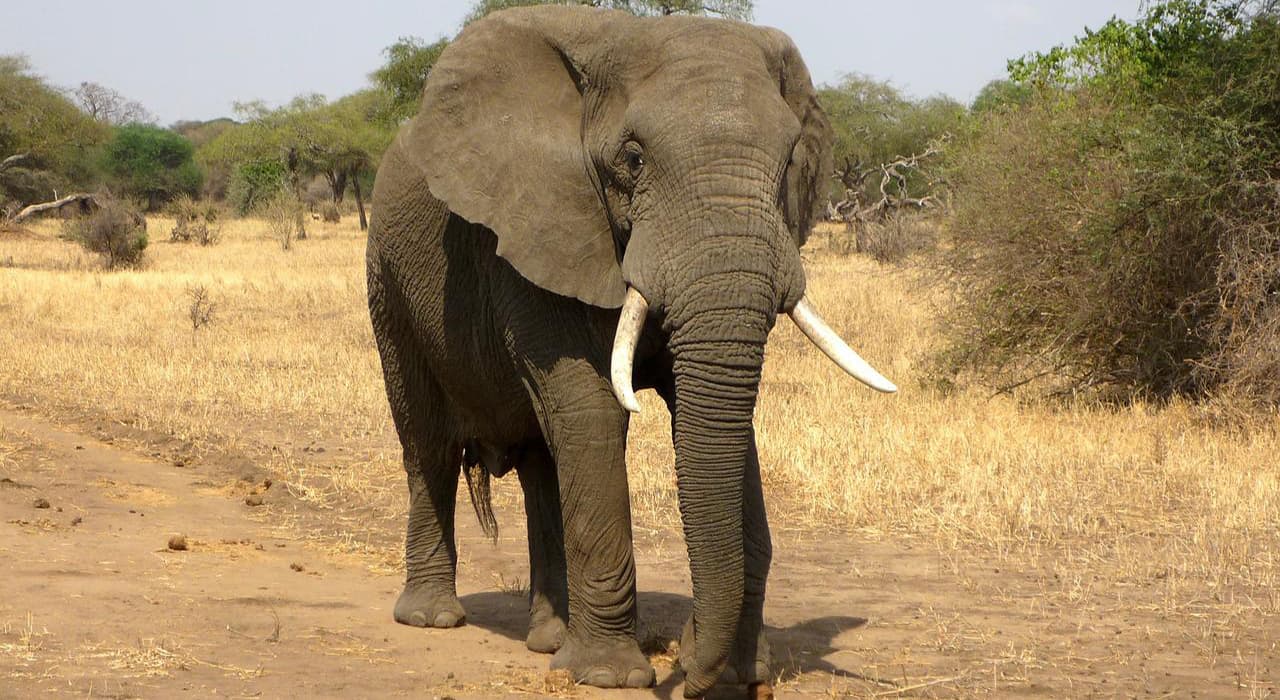
Der heiße Kontinent Afrika
Der heiße Kontinent Afrika wird als „Wiege der Menschheit“ bezeichnet, aber was wissen wir wirklich über Afrika
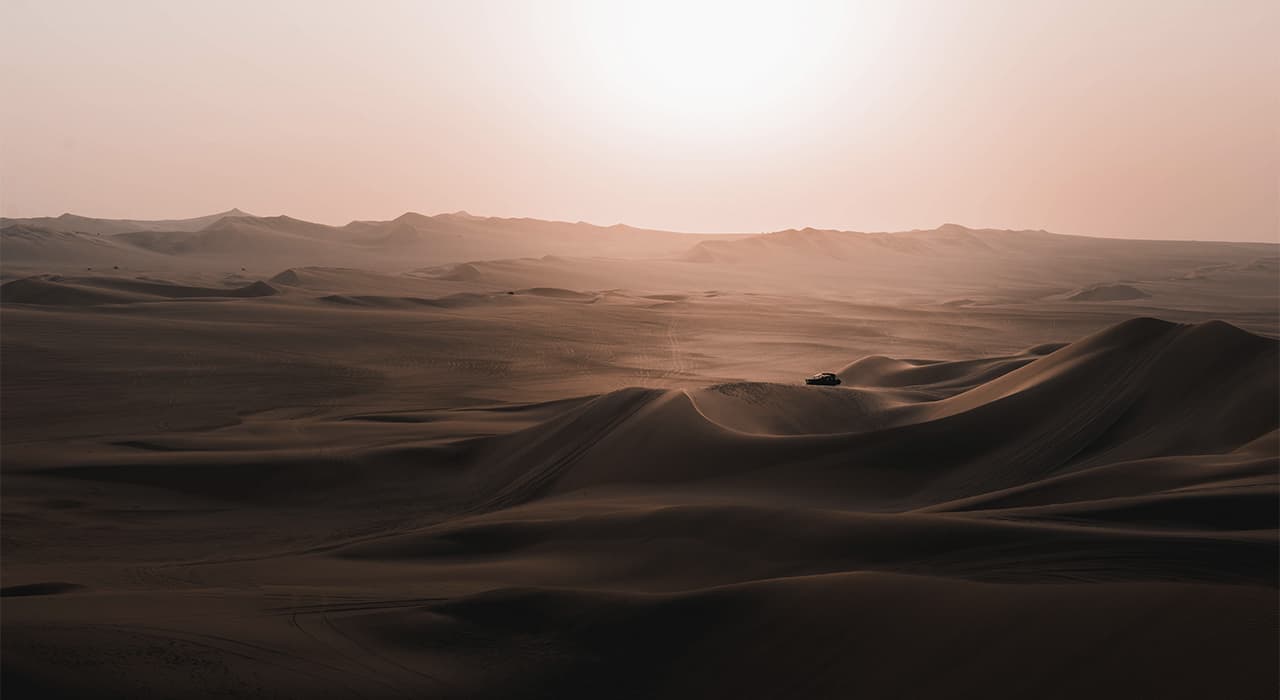
Alte Geschichte Afrikas
In der zweiten Hälfte des 4. Jahrtausends v. Chr. nahm die soziale Differenzierung in Nord- und Nordostafrika zu, und es bildeten sich zwei politische Verbände
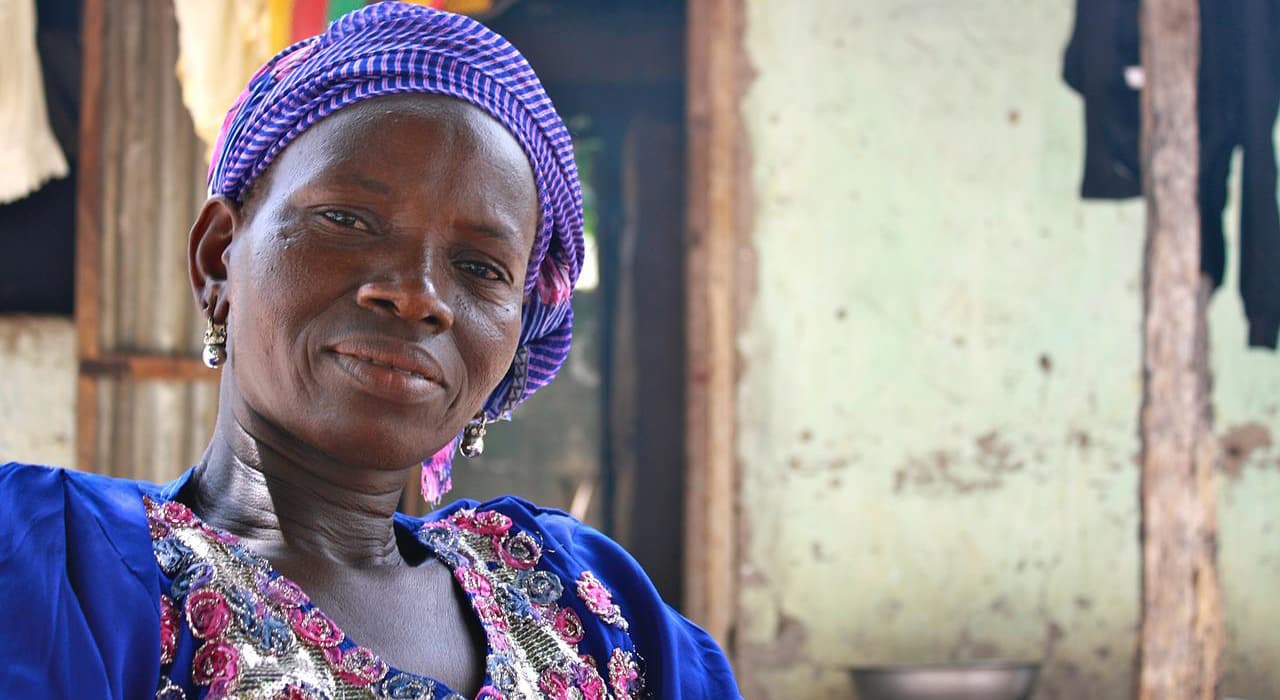
Die jüngste Geschichte Afrikas
In der Zeit zwischen den beiden Weltkriegen hielten die imperialistischen Mächte die ungeteilte Herrschaft in Ägypten und Nordafrika aufrecht.

Vor tausend Jahren wusste eine afrikanische Stadt, wie man Glas herstellt
Bei Ausgrabungen in der antiken Stadt Ife im Südwesten Nigerias wurden mehr als zehntausend Glasperlen gefunden